


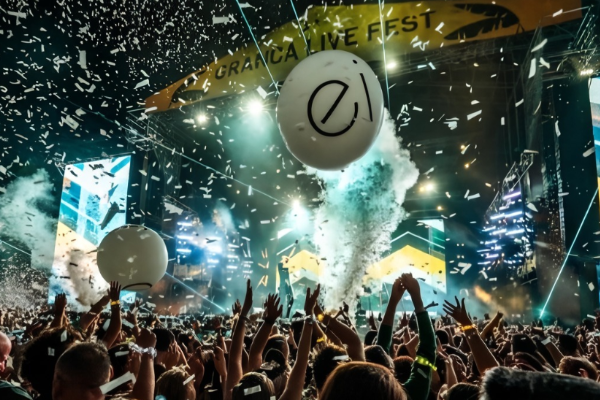
Concerts & touring
Build speed and repeat-build durability decide the margin. One-handed locks, front or rear service and lamp-level armour keep a wall shippable across a full season of one-nighters.
Rental & staging solutions

High-End Fine-Pitch Rental LED Display


Considerate product detail design enables speedy one-handed operation


Support mixed splicing with E-Swan and E-Corner to create more incredible stage magics

Pilot Pro enables curved,90° splicing staggered and 90° splicing for more creative shapes


| Model | Pilot Pro1.5 | Pilot Pro1.9 | Pilot Pro2.6 | Pilot Pro2.9 | Pilot Pro3.9 |
|---|---|---|---|---|---|
| Pixel Pitch (mm) | 1.5 | 1.9 | 2.6 | 2.9 | 3.9 |
| Pixel Density (pixels/m²) | 409600 | 262144 | 147456 | 112896 | 65536 |
| LED Type | SMD | ||||
| Panel Size WxHxD (mm) | 500*500*73 | 500*500*73/500*1000*73 | |||
| Panel Resolution WxH | 320*320 | 256*256 | 192*192 192*384 | 168*168 168*336 | 128*128 128*256 |
| Panel Material | Die-Casting Aluminum | ||||
| Weight (Kg/pc) | 8 | 8/13 | |||
| Brightness (nits) | 900-1000 | 900-1000 | 900-1500 | 900-1000 | 900-1000 |
| Brightness Adjustment | Programmable / Automatic / Manual | ||||
| Refresh Rate (Hz) | 7680 | 3840 / 7680 | 3840 / 7680 | 7680 | 7680 |
| Contrast Ratio | 8000:1 | 6000:1 | |||
| Color Temperature (K) | 2000~10000 (Adjustable) | ||||
| IP Rating | IP30 | ||||


* All specification values given are per panel. The specifications are for reference only, actual values may vary.
Pitch is a commercial decision before it is a technical one. The workable rule for a fine pitch LED display is that the closest seat should sit at least 1 metre away per millimetre of pitch; for broadcast, the camera is the closest seat, and a long lens on a 3.9mm wall will show structure that the room never sees. The five Pilot Pro models below share one cabinet, so a rental house can mix pitches across a tour without changing rigging, data or spares.
The pitch to hire when the audience is inside 3 metres or the wall is a broadcast background: presentation stages, product launches, studio inserts and xR sets where moire has to disappear.
Conference main screens, award ceremonies and showrooms. Fine enough for a front row and for cameras at mid-distance, while the panel count and therefore the labour bill stays reasonable on a 10m wall.
Where the nearest seat is beyond 3 metres and content is live camera feed rather than fine text. Available at up to 1500 nits, which is the model to specify when a room has heavy front light or a glazed roof.
The volume-per-euro option for main walls above roughly 60m². Fewer panels per square metre means fewer connections, less rigging weight and a shorter build, the three things that decide whether a one-day turnaround is possible.
For very large indoor surfaces, video backdrops and creative scenic elements viewed from 5 metres and beyond. The lightest configuration per square metre in the series, which matters when a roof has a fixed point loading.
Die-cast aluminium, 500×500×73mm, 8kg, IP30, 2000-10000K adjustable colour temperature and contrast up to 8000:1. Curved, right-angle and staggered splicing are built into every model, and Pilot Pro mixes with E-Swan and E-Corner panels on the same wall.
The same panel is specified for very different reasons. Below are the six briefs that most often arrive at a LED screen rental desk, and the property of the display that decides each one.
Build speed and repeat-build durability decide the margin. One-handed locks, front or rear service and lamp-level armour keep a wall shippable across a full season of one-nighters.
Rental & staging solutions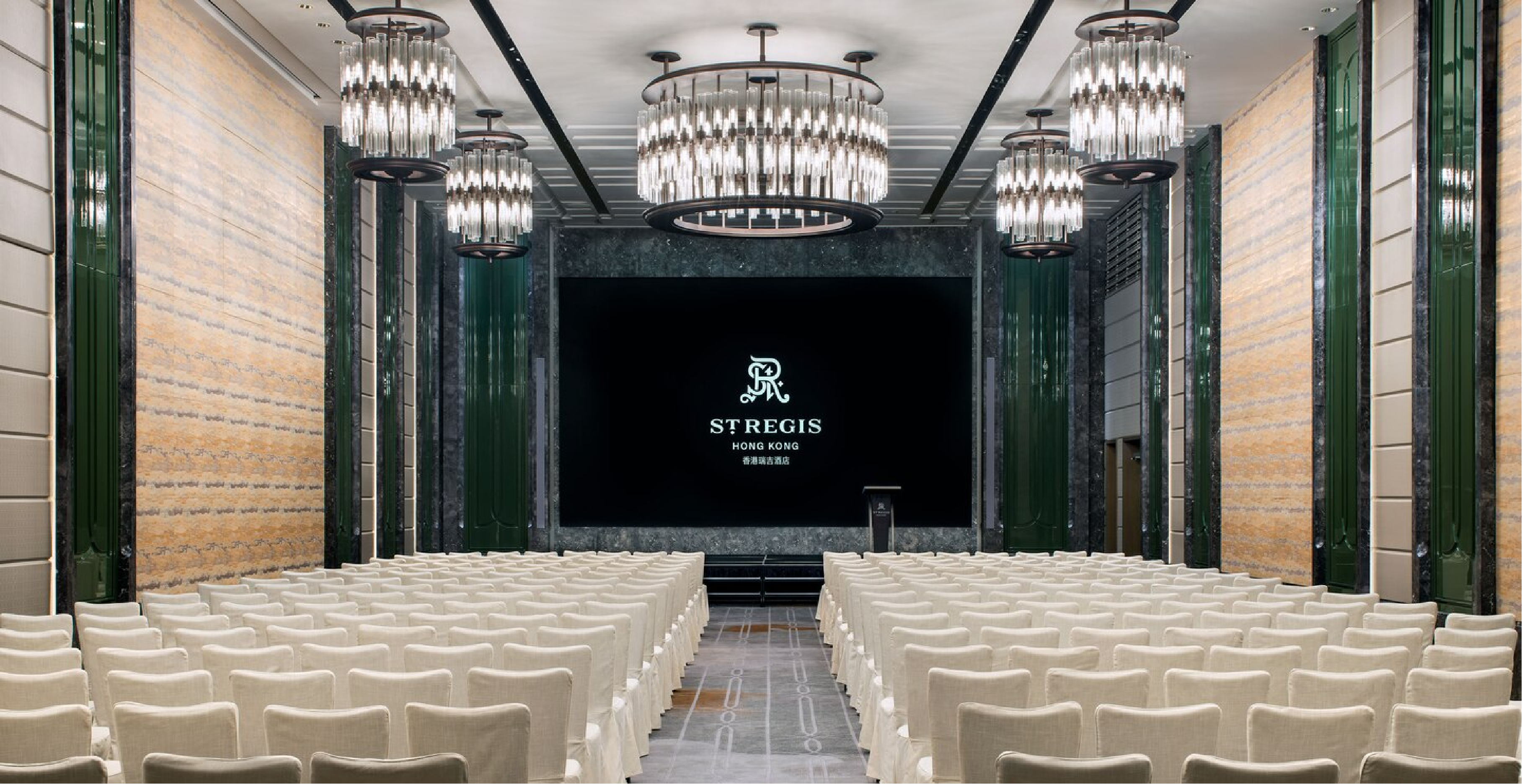
Flatness and colour uniformity carry the brand. Panel-to-panel alignment holds the line across a 20m keynote wall, and 2000-10000K adjustment matches the room's lighting design.
Corporate solutions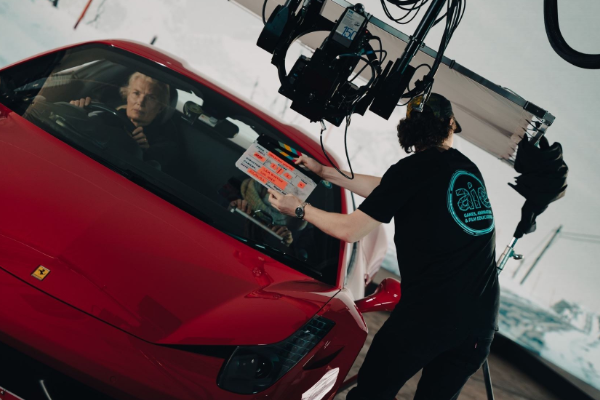
The camera sets the standard: 7680Hz refresh and high contrast remove scan lines and banding, and 1.5mm pitch keeps moire off the lens at practical shooting distances.
xR & VP solutions
Shape is the brief. Curved, right-angle and staggered splicing turn a stand wall into a sculptural element without custom frames or a second inventory.
Exhibition solutions
Short residencies in occupied spaces: light panels, quiet operation and a build that can be finished overnight without closing a floor for a second day.
Retail & hospitality solutions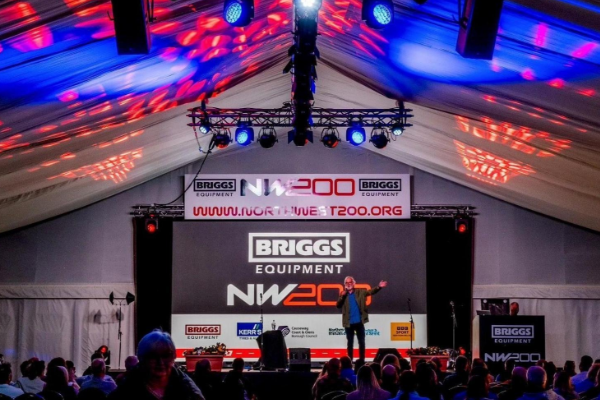
Outdoor-adjacent indoor spaces, tight schedules and long travel legs. Deployments such as the Balkan Grand Prix and North West 200 run the same cabinet across mixed venues.
View project casesA fixed-install screen is built once and maintained rarely. A rental LED display screen is built and struck dozens of times a year by different crews, in venues nobody surveyed. That difference shows up in hardware long before it shows up in the picture.
| Requirement | Fixed install (e.g. BIM series) | Rental (Pilot Pro) |
|---|---|---|
| Build cycle | Once, by a commissioned team | Repeated, by rotating crews under time pressure |
| Locking | Bolted, tool-based | One-handed quick lock, no loose fasteners |
| Panel weight | Optimised for structure, not handling | 8kg per 500×500mm panel, single-person handling |
| Service access | Rear, with permanent walkway | Front or rear on the same panel |
| Impact exposure | Low after commissioning | High — L-Armor lamp protection, anti-collision frame |
| Geometry | Fixed at design stage | Curved, 90° and staggered splicing on demand |
| Cost driver | Capital cost per m² | Labour hours per build + panel attrition per season |
For reference when planning transport and rigging: the 500×500mm panel is 73mm deep and 8kg, the 500×1000mm option is 13kg, and IP30 confines the series to indoor and covered use. For open-air work, Shine Pro is the outdoor equivalent, and E-Swan covers curved outdoor builds.
Start from the closest viewer, then check whether the wall will be filmed. As a working rule, 1.5mm to 1.9mm suits close-viewed and camera-facing stages, 2.6mm works for mid-distance live events, and 2.9mm to 3.9mm fits larger rooms where the nearest audience is farther back.
If you want the broader planning logic behind that choice, see All Questions About Rental LED Displays.
Both. Pilot Pro reaches fine-pitch territory down to 1.5mm, but it is built on genuine rental hardware: lightweight die-cast cabinets, quick locks, front and rear service access, and protective structure for repeated transport and setup.
That is why it fits premium conferences, touring stages, launch events and xR environments better than a fixed-install cabinet that only looks good after it is permanently mounted.
No. Pilot Pro is an indoor rental series with IP30 protection, so it belongs in indoor venues and fully covered staging. If the project needs rain resistance, higher brightness or open-air deployment, the screen specification should move to an outdoor rental series instead.
For the waterproof side of the decision, this blog is the right companion read: What Is IP65? What IP Rating Do Outdoor LED Walls Need?
For camera-facing stages, 7680Hz is the safer target because it reduces scan lines, banding and other visible artifacts once lenses, shutter settings and stage lighting come into play. Audience-only screens can often work at 3840Hz, but the margin for broadcast or virtual production is smaller.
On Pilot Pro, the higher refresh option matters most when the wall is part of keynote capture, live streaming, studio inserts or xR shooting.
The cabinet is built for repeated load-in and strike: one-handed locking, no loose fasteners, shared rigging logic across the series, and front or rear access on the same panel. In practice that means the installation speed is usually limited by rigging, cabling and site access rather than by the cabinet itself.
That difference is exactly why rental panels are engineered differently from fixed-install products on the same pixel pitch range.
Yes. Pilot Pro supports curved splicing, 90° corner layouts and staggered configurations on the rental platform itself, so a team can build beyond a flat rectangle without moving to a completely different product family.
For tighter creative structures, it can also work alongside the E-Swan and E-Corner systems inside a broader event design package.
There is no honest single price because the quote depends on pixel pitch, total wall size, rigging method, processor choice, transport packaging, spares ratio and whether the job is indoor, outdoor, filmed or purely audience-facing.
If you are building a shortlist or budget framework first, use All Questions About Rental LED Displays and What Is a Video Wall? as the two background reads before asking for a project quote.
A rental wall is built to be assembled, dismantled, packed, shipped and rebuilt again and again. A fixed-install wall is optimized for long-term mounting in one place, where service access, flatness and lifecycle cost matter more than repeated handling speed.
If you need the wider planning context, read What Is a Video Wall?. If the project team is still comparing display technologies, LED vs LCD: Which Display Technology Wins? is the cleaner next step.


